Your First Paddle Trip Starts Here: How to Pick the Right Water for Where You Are Right Now
Let's be real for a second. The internet will happily serve you a hundred "Best Paddling Destinations in America" listicles, most of which include places that require weeks of planning, advanced skills, or a lottery permit you have roughly the same odds of winning as a major jackpot. That's not super helpful when you're just trying to figure out where to go for your first real paddling experience.
This isn't that kind of guide.
What follows is a practical decision framework — a set of honest questions that'll help you figure out what kind of paddling actually fits your life right now, and then point you toward specific US destinations that match your profile. No gatekeeping, no shame about starting simple. Everyone who's ever crushed a Class V rapid or paddled a remote sea kayak route started somewhere.
Let's find your somewhere.
Step One: Get Honest About Your Starting Point
Before you even think about destinations, you need to answer one question without ego: What's your actual experience level?
Here's a quick self-assessment:
- True beginner: You've maybe been in a canoe at summer camp. You know which end of a paddle to hold. That's about it.
- Casual paddler: You've done a few rental kayak trips on calm water. You can keep yourself pointed in a general direction.
- Some experience: You've paddled moving water or coastal conditions a handful of times. You know what a brace is, even if you can't always execute it.
Be honest. Overestimating your skill level is how people end up in situations that aren't fun — or worse, situations that are genuinely dangerous. The goal here is a great first experience, not a story that starts with "so we had to be rescued."
Step Two: Know Your Water Types
Paddling isn't one thing. The skills, gear, and mindset required for flatwater lake paddling are completely different from what you need on a moving river, and both are different from coastal sea kayaking. Here's a plain-English breakdown:
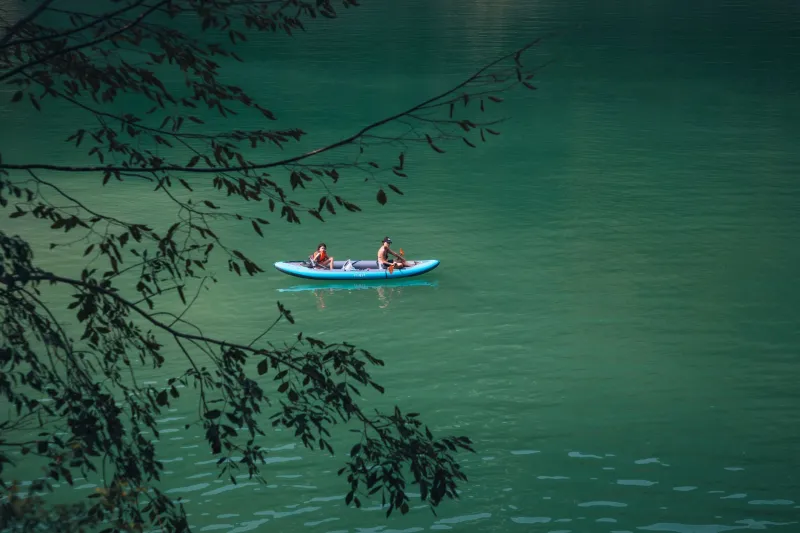
Flatwater (Lakes, Ponds, Calm Bays) The most forgiving environment for beginners. Conditions are generally predictable, you can practice strokes without worrying about current, and getting back to shore is usually straightforward. Wind can be a factor on large lakes, but it's manageable with basic awareness.
Good if: You want to build confidence, enjoy scenery at your own pace, or paddle with kids or less athletic partners.
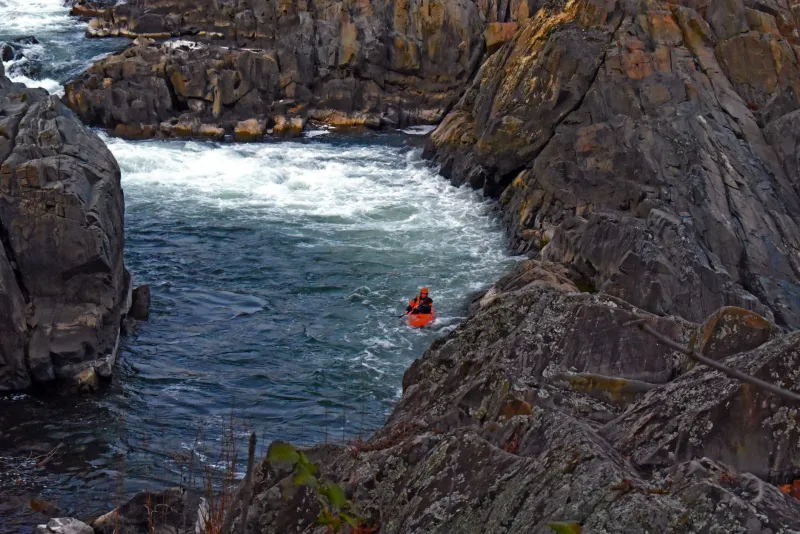
Moving Water (Rivers) This is where things get interesting — and where the learning curve steepens. Rivers have current, obstacles, and hydraulics that demand real attention. Class I–II rivers are approachable for beginners with some instruction. Class III and above require proper training and ideally guided experience before you go solo.
Good if: You want some excitement, enjoy the feeling of the current doing some of the work, and you're willing to invest in a lesson or two first.
Coastal/Ocean Kayaking Beautiful, adventurous, and genuinely technical. Tides, surf, wind, and open water crossings introduce hazards that don't exist on inland water. Guided coastal trips are the smart entry point — there's no shame in learning from someone who knows the local conditions.
Good if: You're drawn to big scenery, marine wildlife, and the feeling of paddling somewhere that feels genuinely wild.
Step Three: Calibrate Your Trip Length and Physical Reality
A two-hour guided tour and a five-day wilderness river trip are both "paddling trips," but they ask completely different things of you. Be realistic about what you can handle physically and logistically.
Half-day or full-day trips are the ideal starting point for true beginners. They're low-commitment, usually guided or rental-based, and they give you a taste of the experience without requiring you to camp, cook, or portage gear.
Multi-day river or lake trips are fantastic, but they layer in camping logistics, gear management, and extended physical effort. Most paddling outfitters offer guided multi-day trips that handle the logistics for you — that's a smart way to step up without getting in over your head.
Fitness matters, but maybe not how you think. Paddling is upper-body and core intensive. If you've never paddled before, plan for some soreness after your first full day on the water. Staying hydrated, stretching, and pacing yourself go a long way.
Step Four: Think About Where You Actually Live
The best first paddling destination is one you can actually get to. Here's a regional breakdown of beginner-friendly starting points across the US:
Northeast: The lakes of the Adirondacks in New York are a classic entry point — calm, scenic, and loaded with outfitters who cater to beginners. The Boundary Waters Canoe Area Wilderness in Minnesota is a step up but offers guided introductory trips that are hard to beat.
Southeast: The spring-fed rivers of Florida — the Ichetucknee, the Silver, the Suwannee — are some of the most beginner-accessible paddling environments in the country. Crystal-clear water, gentle current, and wildlife around every bend. It's almost unfair how good it is.
Midwest: The Boundary Waters (yes, it's worth mentioning twice), the Kickapoo River in Wisconsin, and the Current River in Missouri all offer accessible, beautiful paddling without requiring you to travel across the country.
Southwest: Lake Powell and Zion's North Fork of the Virgin River offer very different but equally spectacular intro experiences. The desert light alone is worth the trip.
Pacific Northwest: The San Juan Islands in Washington State are a guided sea kayaking dream for beginners — calm-ish water, orca sightings, and scenery that borders on absurd.
California: Tomales Bay north of San Francisco is a sheltered, beginner-friendly coastal kayaking environment. The Russian River in the summer is a mellow, fun river float.
Step Five: Match Your Profile to Your Trip
Here's how it comes together:
- True beginner + limited time + flatwater preference: Rent a kayak on a local lake or book a guided half-day tour. The Ichetucknee River in Florida or a lake in the Adirondacks are both excellent choices.
- Casual paddler + wants some current + Midwest/South location: The Buffalo National River in Arkansas or the Current River in Missouri will give you gentle moving water in a stunning natural setting.
- Some experience + ready for a multi-day trip + love the mountains: A guided multi-day trip on the Flathead River in Montana or a canoe route in the Boundary Waters will push you in the best possible way.
- Coastal curiosity + Pacific Northwest access: A guided sea kayak tour in the San Juan Islands. Period.
One Last Thing
The framework matters less than actually going. Analysis paralysis is real, and the paddling world has a way of rewarding people who just show up and get in the water. Pick something that feels slightly outside your comfort zone but not terrifying. Book a lesson or a guided trip if you're uncertain. And remember — every expert paddler you'll ever meet was once a beginner who made their first stroke on some unremarkable stretch of water and fell completely in love with it.
Your current is out there. Go find it.