Water Never Waits: A Paddler's Guide to Riding Every Season
There's a version of paddling that only happens in summer — blue skies, calm water, a cooler full of cold drinks. It's great. It's also only one chapter of the story.
The paddlers who get the most out of this sport are the ones who learn to read the seasons instead of surrendering to them. They know that spring snowmelt turns a sleepy flatwater creek into something electric. They know that fall light on a New England lake looks like nothing else on earth. They know that winter paddling, done right, is some of the most rewarding time you can spend on the water.
This guide is for those paddlers — or for anyone who wants to become one.
Spring: Power, Promise, and a Healthy Dose of Respect
Spring is the most dynamic paddling season in most of the US, and also the most misunderstood. A lot of newer paddlers see warmer temperatures arriving and assume conditions are improving. Sometimes they are. Often, they're not.
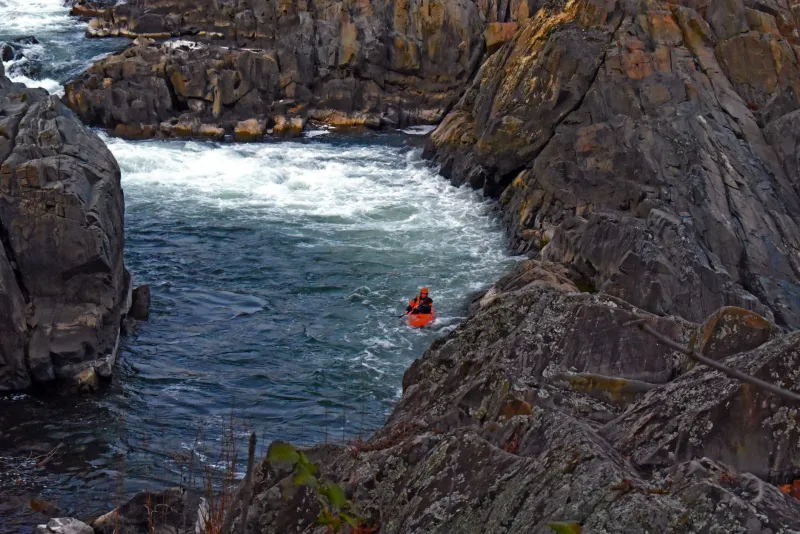
In the Pacific Northwest, the Rockies, and the Upper Midwest, spring snowmelt sends water levels surging. Rivers that were gentle and navigable in September can be running fast, cold, and high by April. The Colorado River through the Grand Canyon, for instance, peaks in spring runoff — a very different animal than its late-summer self. This isn't a reason to stay home. It's a reason to know what you're getting into.
Cold water temperature is the defining safety variable of spring paddling, and it's one that a lot of people underestimate. Air temperature and water temperature are not the same thing. A 65-degree spring day can still mean 45-degree water — cold enough to cause cold shock and swimming difficulties within seconds of an unexpected capsize. Dry suits or wetsuits aren't optional in these conditions; they're the difference between a manageable swim and a life-threatening one.
That said, spring rewards the prepared paddler generously. Waterfowl migrations are in full swing. Wildflower blooms line riverbanks in ways that don't happen any other time of year. And because fair-weather crowds haven't arrived yet, you often have the best water entirely to yourself.
Best spring destinations: The Gauley River in West Virginia (pre-dam-release season), the Boundary Waters Canoe Area Wilderness in Minnesota just after ice-out, and the lower Rogue River in Oregon before summer rafting traffic picks up.
Summer: Peak Season Has Its Trade-offs
Summer is when most Americans discover paddling, and it's easy to see why. Warm water, long days, and comfortable temperatures make it the most forgiving season to learn. It's also the most crowded, the most expensive for outfitter rentals, and — in many parts of the country — the most challenging from a logistics standpoint.
In the Southeast and Southwest, summer heat is a serious factor. Paddling the Rio Grande through Big Bend National Park in July means managing extreme temperatures, limited shade, and water levels that can drop dramatically as the season progresses. Hydration isn't just a comfort issue — it's a safety one. Starting early, taking midday breaks, and carrying more water than you think you need are non-negotiable habits in hot-weather paddling.
In the upper Midwest and Northeast, summer is more straightforward, though popular destinations fill up fast. Reservations for campsites in places like the Boundary Waters or the Adirondacks can book out months in advance. If you're planning a summer trip to a high-demand area, build your logistics around that reality early.
One genuine advantage of summer: it's the best season for open-water paddling, including coastal kayaking and stand-up paddleboarding. The Gulf Coast, the Outer Banks, and the waters around the San Juan Islands in Washington State are all at their most accessible. Calmer conditions, warmer water, and longer daylight hours make multi-day coastal trips genuinely achievable for paddlers with intermediate skills.
Fall: The Season Serious Paddlers Live For
Ask experienced paddlers which season they'd choose if they could only pick one, and fall wins more often than you'd expect.
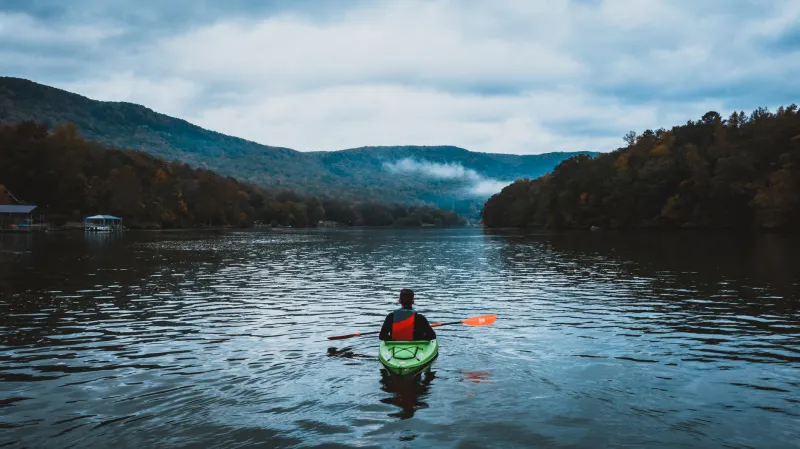
The reasons stack up quickly. Crowds thin out dramatically after Labor Day. Water temperatures are still comfortable in many regions — warm enough to be forgiving, cool enough to be invigorating. In the Northeast, the Midwest, and the Appalachians, fall foliage turns river paddling into something genuinely spectacular. Paddling the Allagash Wilderness Waterway in Maine in early October, or working through the Buffalo National River in Arkansas under a canopy of turning hardwoods, is a sensory experience that photographs can't fully capture.
Fall also brings more predictable water levels in many river systems after summer's variable flows. And wildlife activity picks up — fishing improves, migrating birds move through in numbers, and the overall pace of the natural world shifts in ways that make time on the water feel especially alive.
The main adjustment for fall paddling is temperature management. Even in regions where water is still swimmable, air temperatures can drop sharply, especially in the morning and evening. Layering systems become important, and having dry bags with warm clothing accessible — not buried in the bottom of your pack — is a habit worth building.
Winter: The Frontier Most Paddlers Haven't Crossed
Winter paddling is a small club, but the members are enthusiastic about recruiting.
In the southern US — Florida, the Gulf Coast, the lower Rio Grande Valley — winter is actually peak paddling season. The brutal summer heat is gone, biting insects are largely absent, and water temperatures remain mild. Paddling through the mangrove tunnels of Everglades National Park or exploring the spring-fed rivers of central Florida (where water temperature stays around 68 degrees year-round) in January is a genuinely different experience than the summer version — quieter, cooler, and often more rewarding.
In colder regions, winter paddling requires a significant gear commitment. Dry suits are mandatory, not optional. Paddling with a partner is strongly recommended. Trip planning needs to account for shorter daylight windows, ice conditions on lakes and slow-moving rivers, and the reality that self-rescue in cold water is significantly harder when you're wearing heavy cold-weather gear.
For paddlers willing to make that commitment, winter opens up experiences that simply don't exist in warmer months. Watching snow fall on a quiet river. Seeing a frozen waterfall from the water. Having a stretch of coastline completely to yourself. The sport looks different in winter — quieter, starker, and in its own way, more honest.
Adapting Your Game: A Few Universal Principles
Regardless of the season, a few habits separate paddlers who thrive year-round from those who only paddle when conditions are easy.
Check water temperature, not just air temperature. This applies in every season but matters most in spring and fall, when the gap between the two can be deceptive.
Adjust your gear before you adjust your ambitions. The right layering system, dry bags, and safety equipment expand what's possible in every season. Trying to push into challenging conditions with summer gear is where trips go wrong.
Talk to locals. Regional paddling clubs, outfitters, and park rangers will tell you things no weather app will. Water conditions, hazard reports, and local knowledge are worth more than any forecast.
Embrace the adaptation. The paddlers who get the most out of this sport aren't the ones who wait for perfect conditions. They're the ones who learn to find what's great about whatever season they're in — and then go find it.
The current doesn't stop moving when the calendar changes. Neither should you.