Give Your Old Gear a Second Life: What to Do With Paddling Equipment You've Outgrown
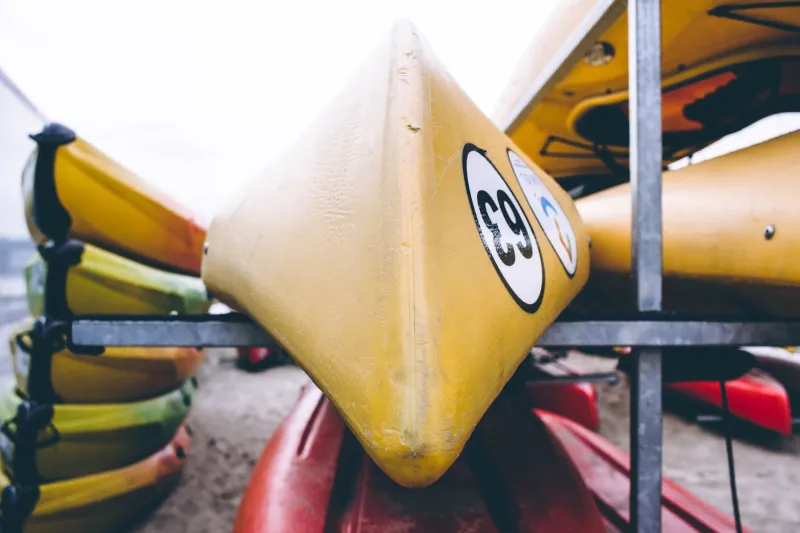
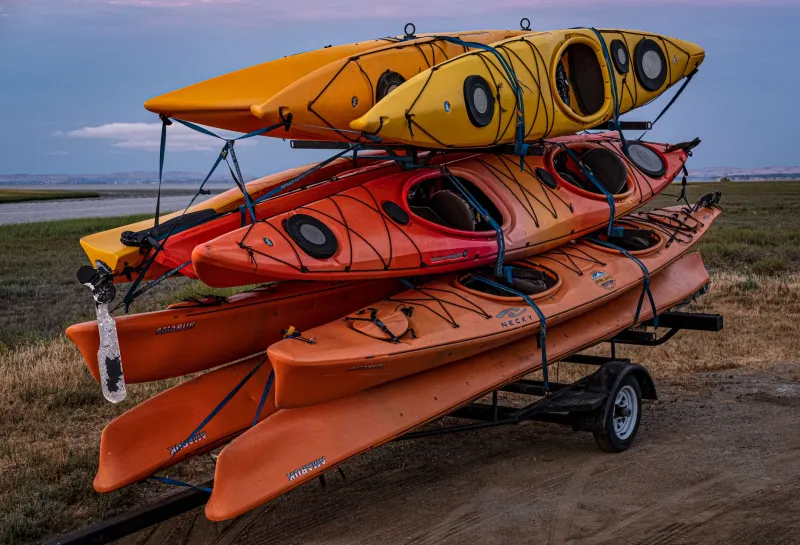
Let's be honest about something. Most of us have a piece of paddling equipment we haven't touched in two years sitting somewhere in the garage, the shed, or—in a truly committed act of denial—still strapped to the roof rack. A first kayak that got replaced by something better. A paddle that felt wrong from the start. A PFD that no longer fits after a few life changes.
And there it sits. Waiting.
Here's the thing: that gear has value. Real, tangible value—to a kid who can't afford to get into the sport, to a nonprofit running youth programs, to a neighbor who's been curious about paddling but can't justify the cost of new equipment. Letting it quietly degrade in a corner is a waste, and tossing it in the trash is worse. There are better options, and they're not complicated.
Why This Actually Matters
The barrier to entry for paddling is real. A decent recreational kayak runs $400 to $800 new. A quality paddle, PFD, and basic safety kit can easily add another $150 to $300. For families, multiply that by however many people want to get on the water. It adds up fast, and it keeps a lot of people on the shore who'd otherwise be out there loving every minute of it.
Used gear changes that equation. When experienced paddlers pass along functional equipment instead of discarding it, they're essentially subsidizing the next generation of paddlers. That's not a small thing. Communities grow when the cost of participation drops. And paddling communities, specifically, tend to be more vibrant and welcoming when they're not accidentally gatekept by price tags.
Who Actually Wants Your Old Stuff
Youth Programs and Nonprofits
Organizations like the American Canoe Association have resources connecting donors with programs that need equipment. Local Boys & Girls Clubs, YMCA chapters, and outdoor education nonprofits often run paddling programs that are perpetually underfunded and always in need of boats, paddles, and safety gear in decent condition.
Before you donate, call ahead. Confirm what condition the gear needs to be in, what sizes they can use, and whether they have storage capacity. Don't just drop a cracked hull at a nonprofit's door and feel good about it—that creates work for them, not value.
Local Paddling Clubs
Almost every region has at least one paddling club, and many of them maintain loaner fleets for new members or run demo days where beginners can try before they buy. These clubs are often quietly desperate for functional used equipment. Check with your regional ACA affiliate, local outfitter, or a quick search for canoe and kayak clubs in your area.
Beyond the gear itself, connecting with a club through a donation often opens a door. You might end up on their email list, invited to a paddle, or just building a relationship with people who share your interests. That's not a bad trade.
The Secondhand Marketplace
If donation isn't your goal and you'd rather recoup some cost, the used gear market for paddling equipment is active and healthy. Facebook Marketplace, Craigslist, and Paddling.com's classifieds section move boats regularly. Price things honestly—look at comparable listings, factor in condition, and don't expect to get back what you paid five years ago.
When you list, be specific. Include accurate measurements, any damage or repairs, and recent photos from multiple angles. Buyers appreciate transparency, and honest listings sell faster than vague ones.
What to Do With Gear That's Past Its Prime
Not everything can be rehomed. Foam in old PFDs degrades and loses buoyancy. Boats with serious structural damage aren't safe to paddle. Dry suits with failing seals aren't keeping anyone dry. When gear has genuinely reached the end of its useful life on the water, you still have options.
Creative Repurposing
Old kayaks and canoes have found second lives as garden planters, outdoor furniture, kids' sandboxes, and wall art in paddling-themed restaurants and outfitters. A cracked hull that can't hold water can absolutely hold soil. A bent paddle shaft becomes a towel rack or a display piece. These aren't just Pinterest fantasies—paddlers across the country have been doing this stuff for years.
If you're handy, fiberglass boats can be repaired and repainted for display or decorative use even when they're no longer structurally sound enough to paddle. It's a way to honor a boat that's been good to you rather than sending it to a dumpster.
Recycling and Responsible Disposal
Polyethylene kayaks—the rotomolded plastic boats that make up the bulk of recreational kayaks—are technically recyclable but notoriously difficult to process. Most municipal recycling programs won't take them. However, some specialty recyclers and plastics processors will, especially if you're willing to do a little legwork.
Contact your local waste management facility and ask specifically about HDPE or polyethylene recycling for large items. Some outdoor gear brands have also launched take-back programs. It's worth a few phone calls before you resign yourself to the landfill.
The Gear You're Keeping: A Quick Check-In
While you're doing this inventory, take a hard look at what you're actually keeping. Is that spare paddle functional and safe? Is your PFD still within its useful life and properly sized? Sometimes a gear cleanout reveals that the equipment you thought was your backup is actually past its prime too.
Replacing worn safety gear isn't optional. Everything else is negotiable.
Pass It Forward
Paddling gave most of us something—a sense of freedom, a community, a way to process the world that nothing else quite replicates. Old gear is a chance to pass a little of that forward. It's a low-effort, high-impact move that costs you nothing you were using anyway.
Clean it up. Find it a home. And then go buy the new thing you've been eyeing, knowing you didn't just leave something worthwhile to rot.