Let Them Lead: A Parent's Honest Guide to Raising Kids Who Actually Want to Paddle

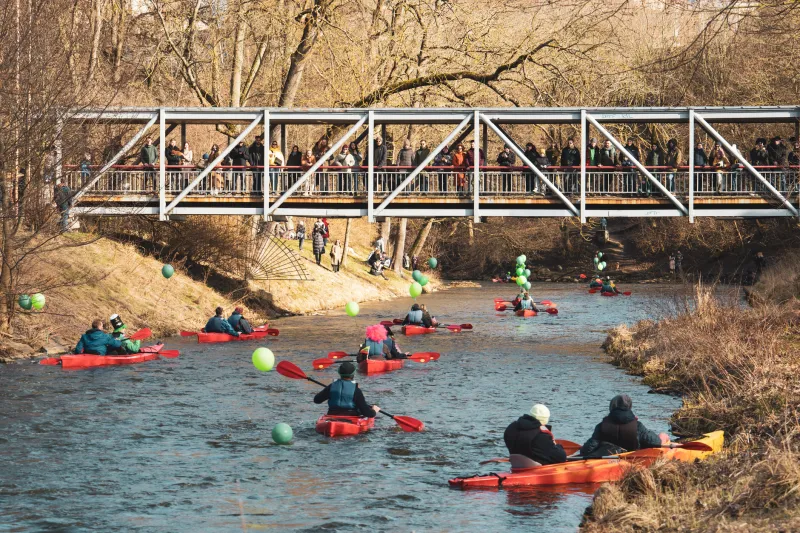
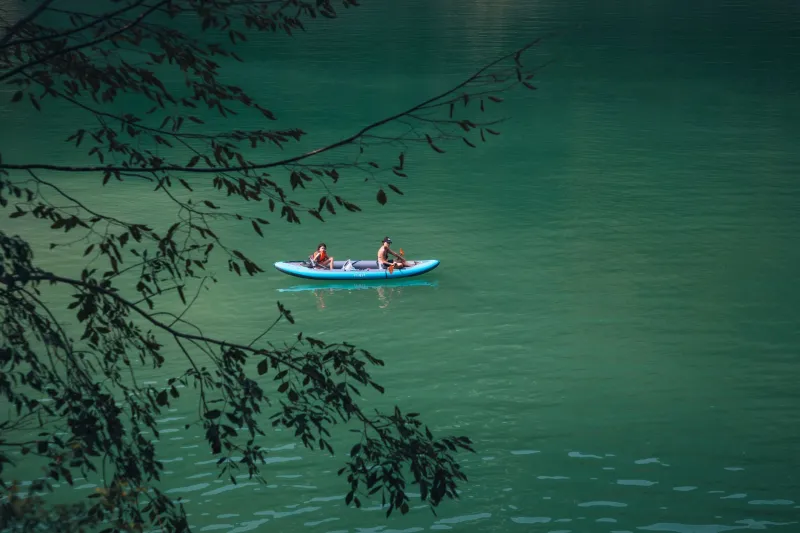
Photo by Photo by WesternCanoeKayak on Unsplash on Unsplash
You pictured it differently. A family gliding across a glassy lake, everyone paddling in sync, kids grinning from ear to ear. What you got instead was a standoff at the water's edge, a life jacket that suddenly feels "too tight," and a negotiation involving screen time.
Welcome to the paddle parent paradox — that strange tension between wanting to share something you love and realizing that love can't be handed over like a piece of gear.
The good news? Kids who come to paddling on their own terms tend to stick with it. The ones who were dragged into it? Not so much. Here's how to stay on the right side of that line.
Why Pressure Backfires on the Water
Water is already a big sensory experience for young kids — the movement, the cold, the unfamiliar sounds, the feeling of instability underfoot. Add a parent's visible excitement (or anxiety), and you've got a recipe for overwhelm.
Child development experts consistently point out that when kids feel they're performing for a parent's approval rather than exploring for their own curiosity, the activity gets tangled up with anxiety. That association is hard to undo.
"We tried to take our daughter out in a tandem kayak when she was five," says Marisol, a mom from Bend, Oregon. "She cried the whole time. We thought she just needed to push through it. We tried again at six — same thing. At seven, we stopped pushing. At eight, she asked to go. That was two years ago, and now she's obsessed."
Marisol's story is more common than you'd think. The turnaround almost always comes when the child feels like the decision is theirs.
Reading the Signs: Ready vs. Not Quite Yet
Before you strap anyone into a PFD, it helps to understand what readiness actually looks like — because it's not always about age.
Signs a kid might be ready:
- They show curiosity about the water without prompting
- They're comfortable putting their face in water during bath time or swimming
- They can follow multi-step instructions and stay focused for short periods
- They're asking questions about boats, paddles, or what you're doing when you prep your gear
Signs they need more time:
- Consistent and strong resistance to any water contact
- Fear responses that escalate (not just nerves, but genuine distress)
- Difficulty with the physical coordination required for swimming basics
- They shut down when the topic comes up
None of these are permanent states. They're just signals about where your kid is right now. Respecting those signals is the whole game.
Age-Appropriate Entry Points
Not every child needs to start in a kayak. In fact, for most kids under six, the kayak itself isn't the point — water comfort is.
Ages 3–5: It's all about the water Wading, splashing, floating with a noodle, and playing near the shoreline builds the foundational comfort that paddling eventually requires. Let them watch you paddle from the shore. Make it look fun, not serious.
Ages 6–8: Introduce the idea, not the obligation This is a great window for sit-on-top kayaks or wide, stable canoes with a trusted adult. Keep the outings short — 20 to 30 minutes max. Let them hold the paddle and experiment without any destination in mind. Celebrate every small win.
"We got our son a child-sized paddle so it wasn't some oversized adult thing he was wrestling with," says Tom, a dad from Chattanooga, Tennessee. "That one change made a huge difference. He felt like it was actually his."
Ages 9–12: Build real skills Kids in this range can start learning proper paddle technique, basic water reading, and self-rescue basics. This is when structured beginner clinics can be genuinely useful — sometimes hearing it from someone other than a parent lands differently.
Practical Exercises for Building Water Confidence
You don't need a lake to start. A lot of confidence-building happens before you ever hit open water.
The Bathtub Paddle: Give younger kids a small toy paddle or even a wooden spoon and a plastic bin of water. Let them experiment with how the blade moves water. It sounds silly, but it demystifies the mechanics.
Shore Time First: Before any paddling session, spend time just sitting on the dock or at the water's edge. No agenda. Let them get comfortable with the environment before any gear comes out.
The Tip Test: In shallow, calm water, intentionally tip a kayak with your child watching — and then show them how to get back in or stand up. Fear of tipping is one of the biggest barriers. Seeing that it's survivable (and maybe even funny) changes everything.
Let Them Quit Early: This one's counterintuitive, but if you tell a kid they can end the session whenever they want, they often stay longer. The perceived control reduces anxiety significantly.
The Gear Factor
Ill-fitting gear is one of the most underrated obstacles to a good first experience. A life jacket that rides up, a paddle that's too heavy, or a kayak that's too tippy can turn a willing kid into a reluctant one fast.
Look for PFDs specifically designed for children's body types — not just "small" adult versions. REI, NRS, and Stohlquist all make solid youth options. Make sure the fit check includes lifting the jacket by the shoulders: if it rides up past their chin, it doesn't fit.
What Success Actually Looks Like
It probably won't look like a perfect family paddle on the first try. More likely, it looks like a kid who asks to go back. Who picks up a paddle without being told. Who starts talking about the water like it's theirs — because it is.
The miles and the technique come later. Right now, you're just building the relationship. And like most good relationships, it can't be rushed.
So take a breath, loosen your grip on the vision you had, and follow their lead. The current will still be there when they're ready.